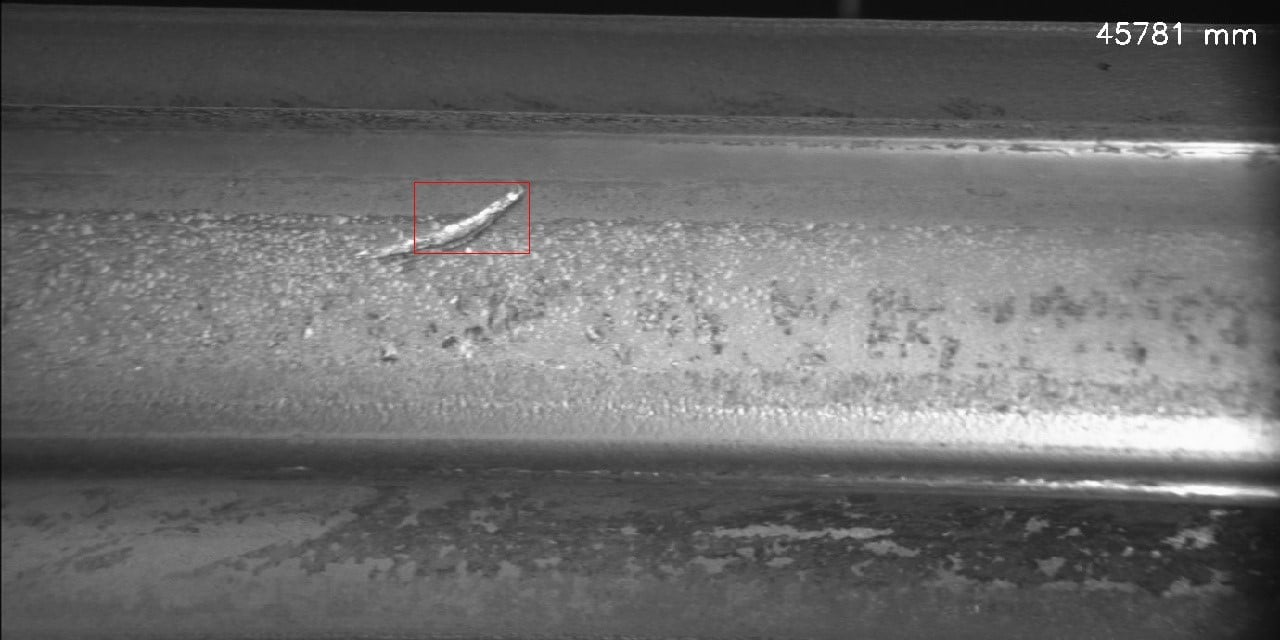
The Visual Analysis and Perception lab at Aalborg University has just received a donation of 1 million kroner from The JLI Foundation for a new research project aimed at developing a generic algorithm for abnormality detection that can adapt across different domains and settings.
The existing generic models are less robust against changing conditions for abnormality detection. For this reason, abnormality detection is currently handled on a case-by-case basis, which is not the most efficient way to work, as it requires large amounts of data each time.
The research project is based on the hypothesis that it is indeed possible to create a generic algorithm that will make visual quality control in industry more efficient. Such an algorithm will require automatic detection of the context in which it is to be used. Context is the key word in the project because whether something is an abnormality always depends on the context.
“A small scratch on a hammer is insignificant, while the same scratch on a medical needle is a critical defect. Similarly, a certain pattern may be acceptable on wood, while it is considered a defect on plastic,” says postdoc Neelu Madan, who runs the project.
“Today, an algorithm is limited by what it has seen, so when it sees something that deviates from the norm, it will be labeled as an abnormality. But just because it’s new doesn’t mean it’s an abnormality. It depends on the context in which it appears.”
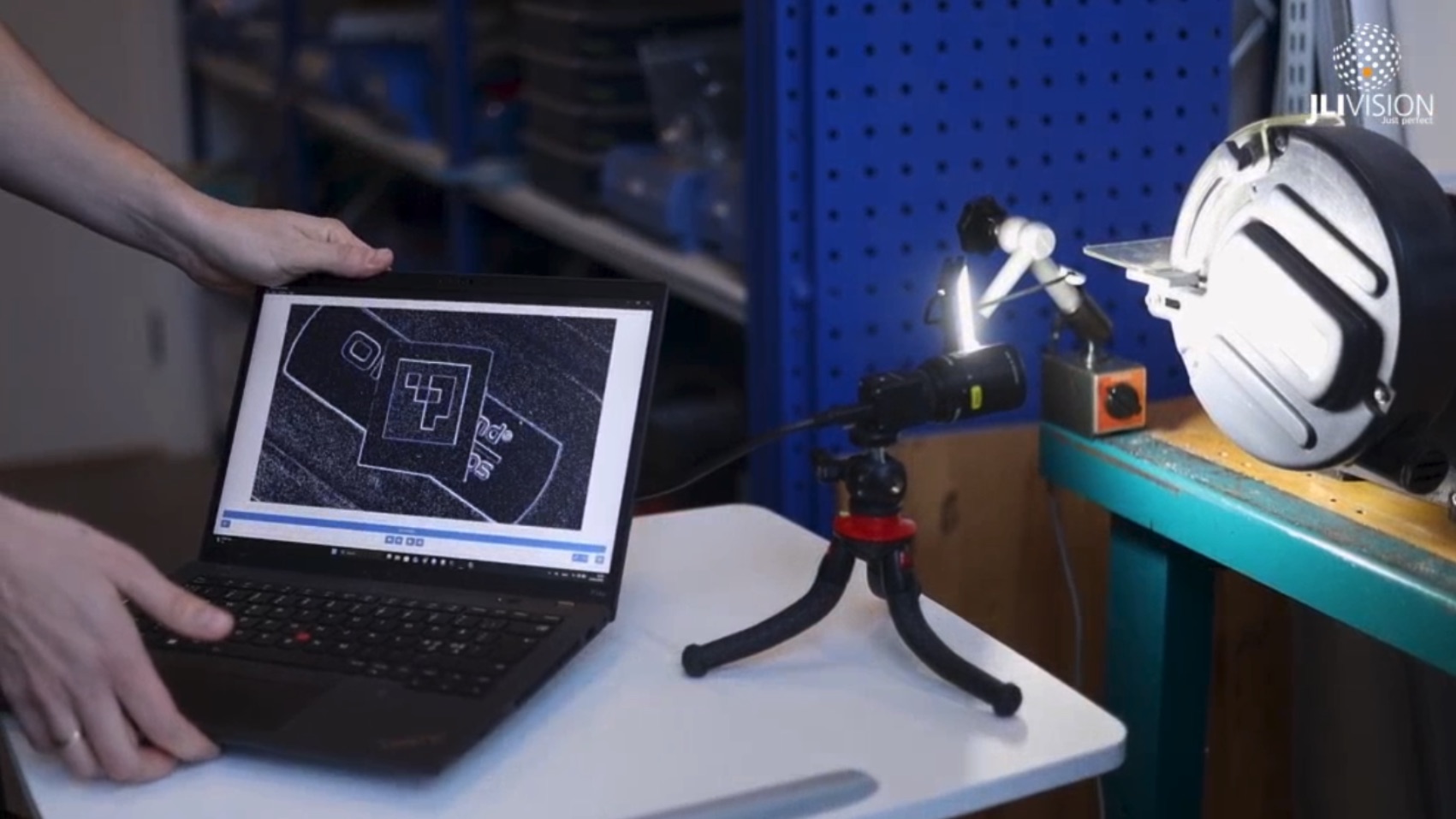
The project has just been launched, and Neelu Madan is in the process of developing a data-capture setup that she will use for the project. The first part of the project involves creating a dataset of images of five different types of materials, which will serve as the basis for developing the algorithm — called The ABC dataset (Abnormalities in Context).
Subsequently, Neelu Madan will develop a novel method for detecting context-dependent abnormalities, and as part of the project, Aalborg University will also launch an international challenge in which competitors will work on the ABC dataset and compete against the developed method. This is not just for the fun of it, but because such competitions have been shown to contribute significantly to advancing the field.
The project is scheduled to conclude in November 2027, with the goal of establishing the public ABC dataset, developing an algorithm for context-dependent abnormality detection, and publishing two research articles during the course of the project.