Machine vision has developed rapidly in recent years, and there is no indication that the pace will slow down next year. In this article, we will offer a few predictions about the interesting developments that we at JLI believe will shape the landscape of quality control with machine vision in 2026.
The article is based on input from vision engineers Esben Korre, Martin Plenge-Feidenhans'l, and Loke K. Bager.
More AI, wilder AI
AI is impossible to ignore if you want to name the main driver of change. This is nothing new for 2026; it has been at the top of our agenda for several years and is an integral part of our work.
Nevertheless, AI is worth mentioning because developments in artificial intelligence continue to redefine the possibilities in the field of vision. Just a few years ago, AI was a tool we used in special applications, but now the situation has almost been turned on its head. In 2026, AI will be an element in most vision systems, and it will often be the first tool we reach for.
In 2025, we created one of the world's first AI-based vision systems that has been validated for use in quality control of medical devices. Validatable AI-based vision systems still seem almost impossible to many, but it can be done, and in 2026 we expect more people to embrace it.
In addition to the use of AI spreading in both ”traditional” vision systems for quality control in manufacturing and in the regulated sector, we see great potential for AI to open new doors.
When we create a vision system today, we annotate images from the production process to train the AI model on the specific type of item it is to inspect. However, with the rise of large language models (LLMs), we now have a tool that makes it possible to transfer knowledge from one domain to another. To simplify it a bit, in the future, we will be better able to use the knowledge we have about what a scratch in a wooden surface looks like to also find scratches in a plastic material that we have not worked with before. It is still in an early stage of development, but we see great potential in working towards domain-independent AI, as it could significantly streamline the development of vision systems.
.jpg?width=1920&height=1280&name=Ghassan%20-%20AI%20-%20smart%20camera%20(1).jpg) AI agents are coming
AI agents are coming
The big buzzword in AI right now is agents, i.e., AI that can autonomously perform certain actions and make decisions based on the input it receives.
Initially, we see potential in putting agents to work in our own processes, and annotation is a particularly interesting area to look at. Today, image annotation plays a major role in the development of a vision system, so if we can train an agent to solve this task in whole or in part, we can reduce our time spent on it considerably.
It is also likely that AI agents will be used as elements in a quality control system that includes machine vision. It is easy to imagine that an agent will monitor multiple data sources on the production line - vision data, temperature, vibration measurements, etc. - and analyze whether production is on track, and perhaps even make the necessary corrections itself.
Exciting technologies are maturing and creating opportunities
We also expect machine vision to evolve on the hardware side in 2026. We have seen how 3D sensors have become better and cheaper, which in itself helps to open up new opportunities, and we are also seeing new technologies gaining ground. Here we would like to highlight event-based vision, which you can read more about in this article: Event-based vision: Fast and smart inspection for tricky quality control
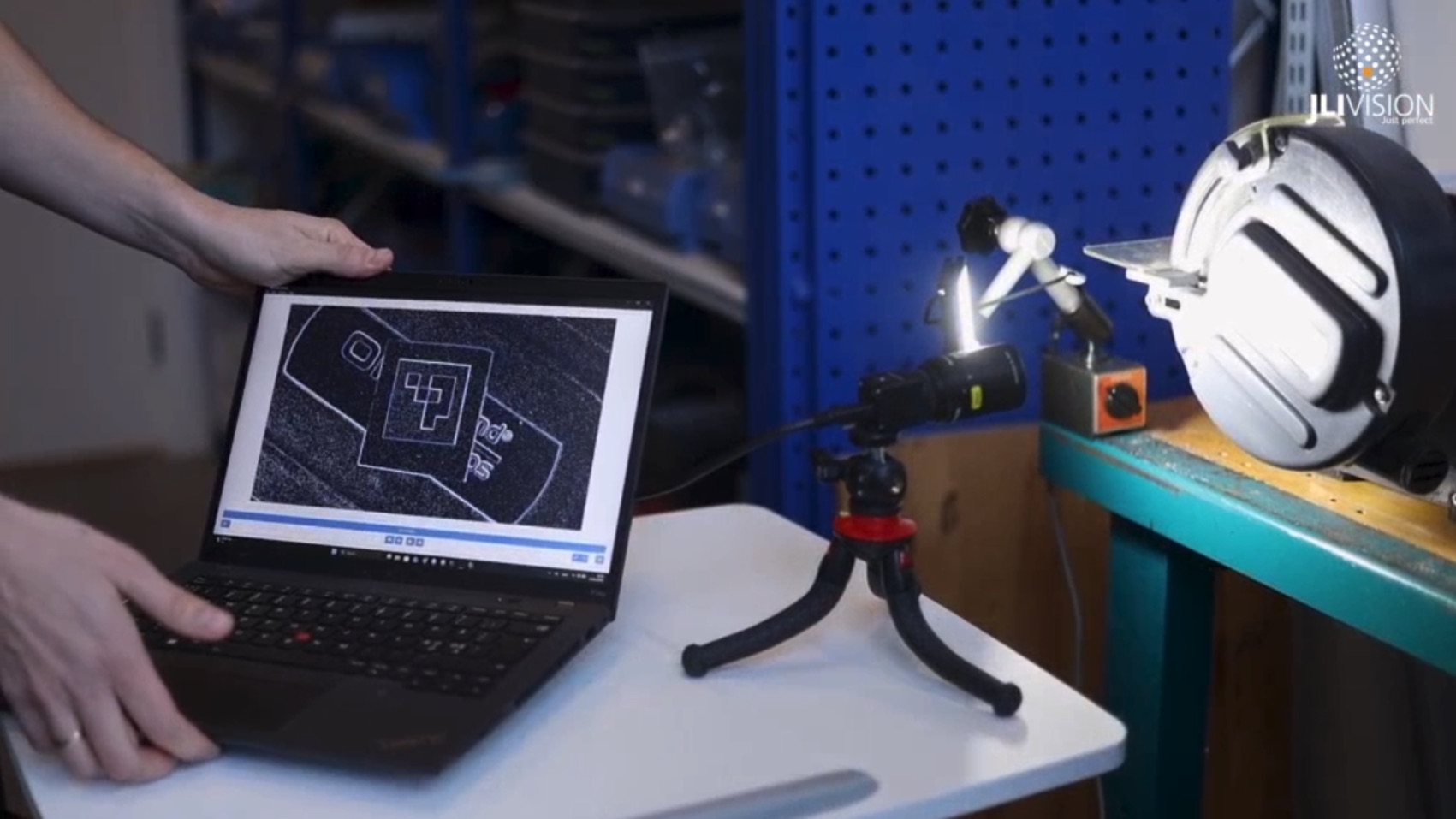
Event-based vision is one of the topics that has attracted the most interest when we have held our Vision Day, where we present the latest in machine vision to customers and partners. It is a technology that can solve many tasks that traditional vision cannot, and as event-based cameras have become more affordable, we will see more exciting business cases using this technology in 2026.
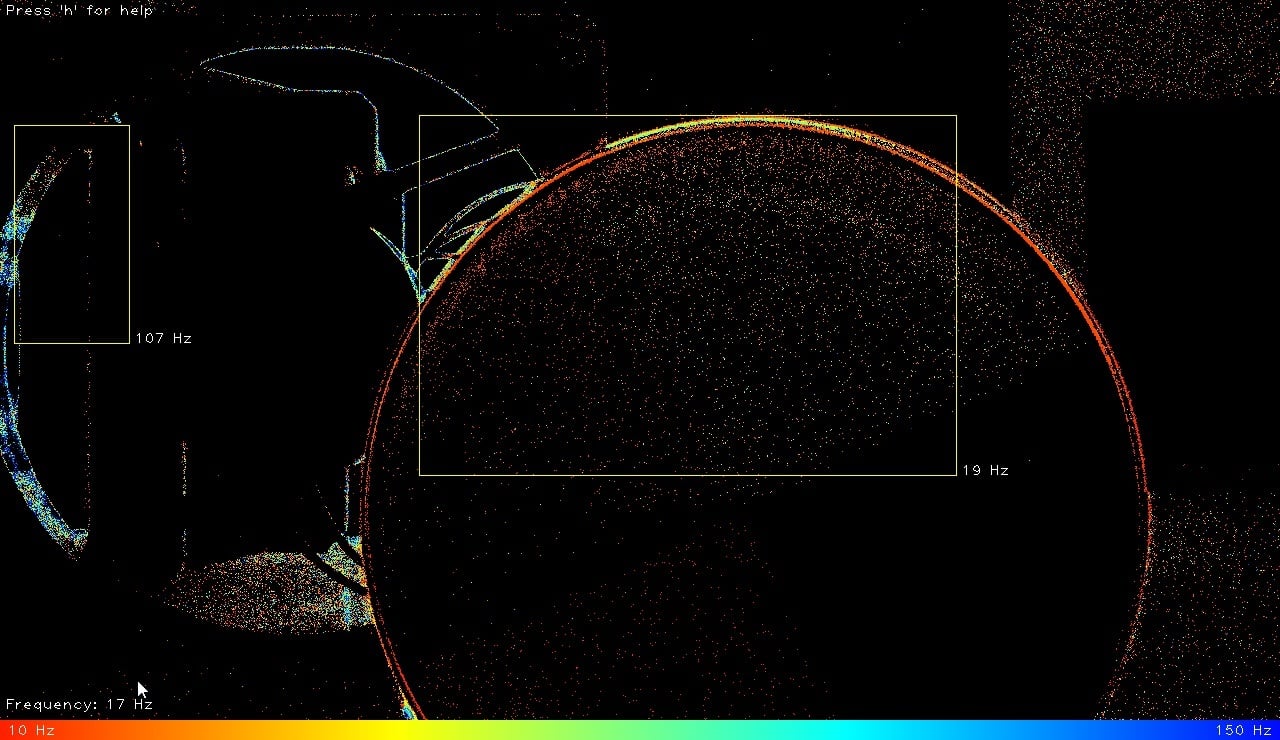
This could be in relation to vibration monitoring in predictive maintenance, for example, which is one of the use cases we are currently working on.
Although machine vision is developing rapidly, it is also worth remembering that these are gradual changes that will not be over in a year. AI has been a game-changer for a long time, and when we wrote this article with predictions for 2025, we highlighted the use of vision data as part of a larger analysis effort - a prediction we could easily have repeated this year. So even though things are moving fast, it is still possible to jump on the bandwagon and reap the benefits of the technological advances we will see next year.

.jpeg)